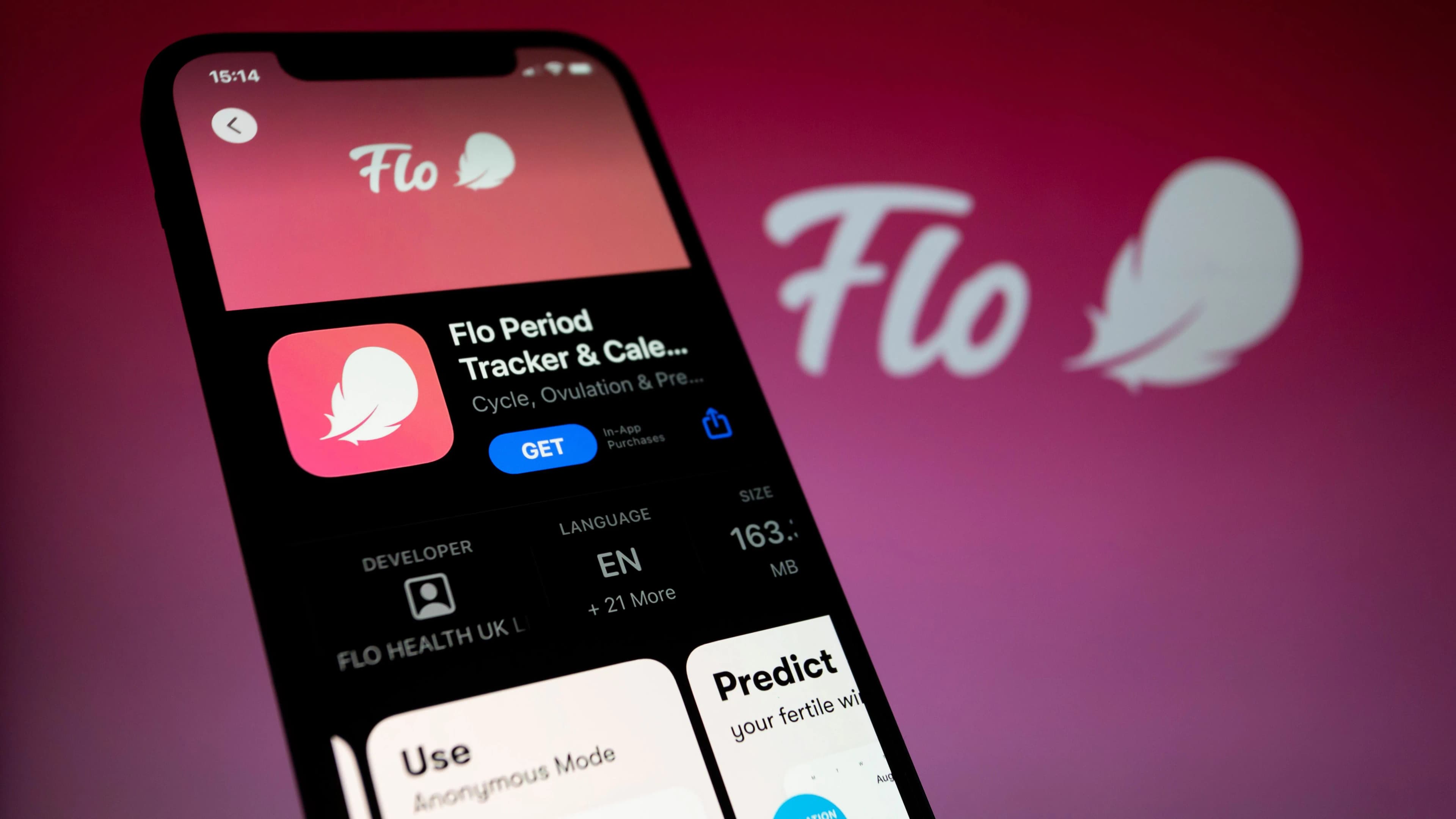
Health-app search is shaped by moments of immediate intent. People search for a tracker, calendar, symptom explanation, fertility support, or pregnancy guidance because something in their life has created a need now.
Flo’s category presence illustrates a broader ASO principle: large apps can cover multiple related intents while maintaining one recognizable promise. The lesson for smaller apps is to win a precise problem first, then expand deliberately.
Map the full intent landscape
Users may describe adjacent needs with very different language. A useful map separates tracking, prediction, symptoms, fertility, pregnancy, privacy, and education.
Collect terms from autocomplete, reviews, competitor metadata, support questions, and product usage. Group them by job rather than dumping them into one list.
Prioritize moments with strong download intent
Broad health terms may be popular but ambiguous. A specific search often signals that the person already understands the solution they want.
Score relevance, popularity, difficulty, and product fit together. A smaller term can outperform a large one when your page answers it precisely.
Use visible metadata to establish trust
Health decisions are sensitive. A title or subtitle must communicate function without sounding exploitative, vague, or sensational.
Pair the primary benefit with plain language. Save secondary coverage for the keyword field and description rather than weakening the first impression.
Make screenshots answer the next question
After finding a relevant result, users ask whether the app is credible, private, understandable, and useful for their exact situation.
Sequence screenshots around those objections. Show the outcome, workflow, proof, privacy, and depth in the order a cautious visitor needs them.
Build content around recurring questions
Search demand extends beyond the App Store. Educational content can introduce the brand earlier and create branded searches when the user is ready to choose a tool.
Connect web content, in-app education, and store metadata around the same language while respecting medical-accuracy and review requirements.
Localize language and cultural context
Sensitive health vocabulary varies across markets. Literal translation may miss the terms people actually use or introduce a tone that feels unfamiliar.
Research local search suggestions and competitors, then review with native context. Adapt screenshots and examples as well as keywords.
Measure quality after the install
Ranking and conversion matter, but misleading intent coverage attracts users who leave. That weakens the business and can damage reviews.
Compare keyword and storefront gains with activation, retention, subscription behavior, and support themes. Sustainable ASO brings the right person, not merely another install.
Put the playbook into practice
High-intent search is valuable because the user has already named the problem. The product page’s job is to confirm relevance and reduce uncertainty with clarity and trust.
hiaso helps founders build keyword maps, compare health-category competitors, optimize metadata with AI, track rankings by country, and prepare localized App Store updates from one workspace.

YasserFounder of hiaso